

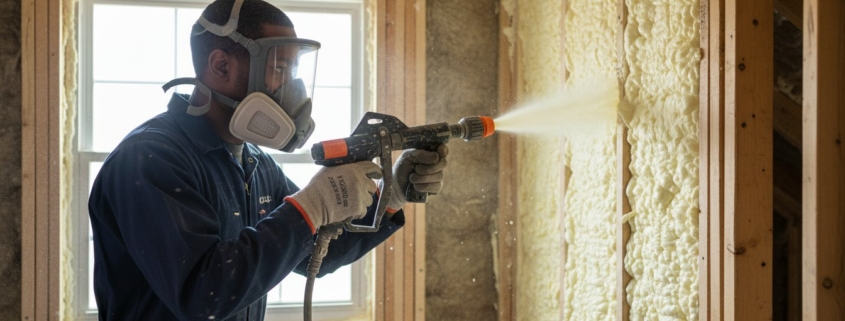
What if the solution to your drafty home and skyrocketing heating bills lies in a simple upgrade? Spray foam insulation is not just another home improvement; it’s a game-changer for comfort and energy efficiency in Grand Rapids, MI. In a state known for its harsh winters, many homeowners are left dealing with cold floors, condensation issues, and an ongoing battle against high utility costs. You’re not alone in feeling overwhelmed by these challenges. In this professional guide, you’ll discover why choosing professional spray foam insulation is the ultimate investment for your home’s health and your family’s well-being. We’ll also cover how to sidestep common DIY pitfalls that could leave your indoor air quality compromised and lead to mold growth. By the end of this article, you’ll understand how to achieve a moisture-free environment and enjoy lower monthly bills, ensuring your home remains a sanctuary of warmth and comfort all year round.
Key Takeaways
- Understand the mechanics of spray foam spray foam insulation and how it creates an airtight seal, enhancing your home’s energy efficiency and comfort.
- Learn the key differences between open cell and closed cell foam to choose the right insulation that suits the unique humidity levels of West Michigan.
- Discover the hidden risks of DIY spray foam kits, including lingering odors and improper application that can compromise indoor air quality.
- Explore the top applications for spray foam insulation in your home, such as preventing drafts in basements and managing moisture in agricultural buildings.
- Get tips on hiring a qualified Grand Rapids spray foam contractor, ensuring you receive a thorough estimate and reliable service for long-term home health.
What is Spray Foam Insulation and How Does It Work?
Spray foam insulation is a versatile polyurethane product that expands to 30-60 times its liquid volume upon application. This unique characteristic allows it to effectively fill gaps, cracks, and voids in your home, creating a robust barrier against air leaks. Its dual role is vital: it provides a high R-value thermal resistance while simultaneously creating an airtight seal. In Michigan, where cold winters and humid summers are common, spray foam insulation significantly outperforms traditional materials like fiberglass batts.
The concept of the “thermal envelope” is crucial for homeowners. By sealing your home from the attic to the rim joists, spray foam insulation helps maintain consistent indoor temperatures, ultimately improving comfort and reducing energy bills. This method not only protects your home from extreme weather but also enhances indoor air quality.
The Chemistry of a Perfect Seal
At its core, spray foam insulation is a two-component mixture of isocyanates and polyols. When these components are combined, they undergo a chemical reaction that produces a foam that expands rapidly. This expansion process allows the foam to fill microscopic cracks and gaps that traditional fiberglass insulation often misses. By effectively sealing the envelope of your home, spray foam prevents air and moisture infiltration, which can lead to issues like mold and mildew. Such conditions can severely impact indoor air quality and respiratory health, making spray foam a wise choice for total home health.
R-Value vs. Air Infiltration
While R-value is a critical measure of thermal resistance, it doesn’t tell the whole story about energy loss in a home. Studies indicate that air leakage can account for up to 40% of a home’s energy waste. This is where spray foam insulation shines. Unlike fiberglass, which can sag and settle over time, spray foam maintains its shape and effectiveness, providing a long-lasting solution. This permanence not only ensures energy efficiency but also contributes to better indoor air quality by minimizing the potential for air pollutants and allergens.
In summary, investing in spray foam insulation is more than just improving energy efficiency; it’s a step towards a healthier living environment. With its ability to create a seamless seal and enhance the thermal envelope, spray foam insulation is an excellent choice for homeowners looking to protect both their property and their health.
Open Cell vs. Closed Cell Foam: Choosing for Michigan Winters
When it comes to spray foam spray foam insulation, choosing between open cell and closed cell foam is crucial for Michigan homeowners. Both types have distinct properties that can significantly impact your home’s energy efficiency, indoor air quality, and overall comfort during the harsh Michigan winters.
The primary differences lie in their density, R-value, and moisture permeability. Closed cell foam is denser, boasting an R-value of approximately 6.5 to 7.0 per inch, making it the heavyweight champion for insulation. In contrast, open cell foam has a lower R-value, generally around 3.5 to 4.0 per inch, but it offers excellent air sealing capabilities. Understanding these differences is essential, especially given West Michigan’s humidity levels, which can influence the choice of insulation.
In flood-prone areas like Grand Rapids, closed cell foam serves as a built-in vapor barrier, preventing moisture from penetrating walls and ceilings. This characteristic is vital for maintaining healthy indoor air quality and reducing the risk of mold and mildew, which can lead to respiratory issues. Conversely, open cell foam is more permeable, allowing for some moisture management while still providing an effective air seal, making it a preferred choice in attics or spaces where breathability is necessary.
Closed Cell Spray Foam: The Heavy-Duty Choice
Closed cell spray foam stands out for its superior R-value and moisture-resistant properties. It acts as a built-in vapor barrier, making it an ideal choice for properties located in flood zones or areas susceptible to dampness. Additionally, it offers structural reinforcement, making it suitable for older homes in Muskegon and pole barns that require extra support. This foam type can significantly enhance indoor air quality by preventing moisture-related issues, contributing to a healthier living environment.
Open Cell Spray Foam: The Breathable Alternative
Open cell spray foam is often favored for its lower cost per square foot while still providing a superior air seal. This type of foam excels in sound dampening, making it perfect for interior walls and media rooms. Its flexibility and breathability make it a go-to for attic rooflines in specific Michigan climate zones, where airflow management is essential. It allows for moisture control while still insulating effectively, creating a balanced indoor environment.
Choosing between these two types of spray foam insulation involves considering the specific needs of your home and the local climate. A hybrid approach, utilizing both types, can often yield the best results. For instance, closed cell foam could be used in basements and crawl spaces, while open cell foam could be installed in the attic and interior walls.
In the end, investing in quality spray foam insulation is not just about energy savings; it’s also about ensuring a safe, healthy indoor environment. For a tailored solution that addresses both comfort and air quality, reach out to our team for more information.
Professional Spray Foam vs. DIY Kits: The Hidden Risks
As spray foam insulation gains popularity, many homeowners in Grand Rapids, MI, contemplate the advantages of DIY kits like “Tiger Foam” or those available at “Home Depot.” While these options may seem cost-effective, they carry hidden risks that can lead to long-term complications and expenses. Understanding these dangers is crucial for anyone considering insulation projects.
The Problem with Big-Box Store Kits
DIY kits often lack essential features that professional-grade spray foam insulation systems offer. One major drawback is the absence of heated hoses, which are vital for ensuring consistent chemical reactions during application. When the chemicals do not mix correctly, it can lead to off-ratio spraying, resulting in lingering odors and sticky messes that are difficult to clean.
Additionally, these kits typically provide limited coverage areas, requiring multiple purchases for larger spaces, which can negate any initial savings. Safety risks are another significant factor; without proper personal protective equipment (PPE) and ventilation, homeowners may expose themselves to harmful chemicals, negatively impacting indoor air quality and respiratory health.
Why Professional Installation is a Permanent Investment
Opting for professional spray foam insulation ensures a quality job tailored to West Michigan’s specific climate. Experts calibrate equipment to account for local humidity, significantly reducing the risk of application failure. Additionally, professional installations come with warranty protection, something DIY kits cannot offer. This warranty provides peace of mind, knowing that any issues arising from the installation will be addressed without incurring further costs.
At Third Coast Spray Foam, our “straight-shooter” approach emphasizes quality and precision. Our team prioritizes the long-term health of your home, effectively sealing the thermal envelope to prevent moisture intrusion and mold growth. Mold can thrive in poorly insulated areas, compromising indoor air quality and the health of occupants. By investing in professional spray foam insulation, you not only enhance energy efficiency but also protect your family from potential health hazards.
Ultimately, the true cost of DIY insulation can be three times that of hiring professionals when considering the expenses associated with fixing a bad foam job. The initial savings often lead to costly repercussions, making the professional route not just a choice but a necessity for ensuring lasting comfort and safety in your home.
Top Applications for Spray Foam in West Michigan Homes
In the ever-changing climate of West Michigan, homes face unique challenges that can affect comfort and energy efficiency. Spray foam spray foam insulation offers effective solutions to common issues faced by homeowners in the Grand Rapids area. Here are the top applications for spray foam insulation that can significantly enhance your home’s performance.
The Critical Rim Joist Connection
The rim joists are often overlooked but represent the number one source of drafts in many Grand Rapids basements. Uninsulated rim joists act like an open window, allowing cold Muskegon County winds to infiltrate your home. Spray foam is uniquely positioned to seal these irregular spaces effectively, creating a continuous thermal barrier. This immediate sealing action can alleviate “cold floor” syndrome, a common complaint among homeowners in Michigan’s ranch-style houses, leading to a noticeable improvement in comfort and energy efficiency.
Protecting Michigan Pole Barns
For agricultural buildings, such as pole barns, condensation can pose a significant threat, leading to rust and equipment damage. Closed cell foam insulation is the gold standard for these structures due to its high R-value and moisture resistance. By preventing condensation, spray foam insulation transforms these seasonal barns into year-round usable workshops, protecting your investments and enhancing functionality.
Attics: A Cool Solution for Summer
Attics can become sweltering hot in July, driving up cooling costs. By creating a conditioned space through spray foam insulation, homeowners can lower their energy bills and improve indoor air quality. This insulation method prevents hot air from entering the living areas below, maintaining a comfortable environment throughout the home.
Crawl Spaces: Ensuring a Healthy Foundation
Combining spray foam insulation with crawl space encapsulation creates a dry and healthy foundation for your home. This approach significantly reduces the risk of mold and mildew growth, which can adversely impact indoor air quality and respiratory health. By keeping moisture at bay, you not only protect your property but also enhance the health of your living environment.
- Rim Joists: Essential for sealing drafts.
- Pole Barns: Protect equipment from rust.
- Attics: Lower cooling costs.
- Crawl Spaces: Prevent mold growth.
By utilizing spray foam spray foam insulation in these critical areas, homeowners can significantly improve their home’s energy efficiency, comfort, and indoor air quality. For a tailored solution to your insulation needs, contact Third Coast Spray Foam today.
Hiring a Grand Rapids Spray Foam Contractor
Choosing the right spray foam contractor in Grand Rapids, MI, is crucial for ensuring the longevity and effectiveness of your spray foam insulation. By focusing on local expertise and certifications, you can better protect your home’s indoor air quality and overall health.
What to Look for in a Local Michigan Insulation Estimate
When evaluating insulation estimates, transparency and detail are key. Ensure the estimate includes:
- A breakdown of materials and labor costs.
- An assessment of your home’s unique insulation needs, including open and closed cell options.
- A timeline for project completion.
Checking for Certifications and Local References in Ottawa and Kent County
Always verify that your chosen contractor has the necessary certifications and licenses to operate in Michigan. Ask for local references to understand their reputation and previous work quality. This step is essential to ensure compliance with West Michigan’s building codes and to maintain a safe environment free from contaminants like mold.
The Third Coast Difference
At Third Coast Spray Foam, our professionalism and local roots set us apart. Our team understands the specific challenges of insulation in West Michigan’s climate. With technical expertise that prioritizes your home’s health, we ensure effective air sealing and moisture management, which are critical in preventing mold and improving indoor air quality.
Next Steps: From Free Estimate to a More Comfortable Home
Once you’ve gathered estimates and references, the next step is simple: schedule a free insulation audit. This audit allows us to evaluate your home’s needs and recommend the best insulation solutions. A well-insulated home not only enhances comfort but also significantly reduces energy costs, leading to long-term savings.
Questions to Ask Your Estimator
Before making a decision, consider asking your estimator the following questions:
- Do you offer both open and closed cell options?
- Are you experienced with West Michigan’s specific building codes?
- What is your process for insulation removal before spraying?
Why Third Coast Spray Foam?
We are deeply rooted in Fruitport and proudly serve the broader West Michigan area. Our focus on “total home health” emphasizes holistic thermal solutions that not only insulate but also protect your home from indoor air pollutants. With Third Coast, you’re not just getting insulation; you’re investing in a healthier living space. When searching for foam insulation near me, you’ll find that our local expertise and commitment to quality make us the ideal choice for your West Michigan home. Schedule your free West Michigan insulation audit today!
Enhance Your Home’s Comfort and Safety Today
Investing in spray foam spray foam insulation is a proactive step toward improving your home’s energy efficiency and indoor air quality. Understanding the differences between open cell and closed cell foam can help you choose the right option for Michigan’s harsh winters. Additionally, hiring a professional contractor ensures that potential risks associated with DIY kits are avoided, ultimately safeguarding your family’s health from mold and air quality issues. Beyond the immediate comfort benefits, homeowners should also consider exploring maximizing your energy efficient home improvement credit in Grand Rapids, MI to offset the costs of these valuable upgrades.
Don’t compromise on your comfort and safety. Get your free spray foam estimate in West Michigan today and take the first step towards a healthier, more efficient home. Our team in Fruitport, serving Muskegon, Ottawa, and Kent Counties, specializes in addressing Michigan-specific condensation challenges. Together, we can seal your home’s envelope and enhance its overall health.
Frequently Asked Questions
Is spray foam insulation safe for my family and pets?
Yes, spray foam insulation is safe for both families and pets when installed properly. The material used is generally non-toxic, and after the initial curing period of 24 to 72 hours, it does not emit harmful chemicals. To ensure safety, it’s crucial to have the installation done by certified professionals who follow safety guidelines, minimizing any potential risks to indoor air quality.
How much can I actually save on my Michigan energy bills with spray foam?
Homeowners in Michigan can see energy savings of up to 30% annually by installing spray foam insulation. This reduction is largely due to its superior air sealing capabilities, which help maintain indoor temperatures and reduce the workload on heating and cooling systems. For a typical household, this could mean savings of hundreds of dollars each year on energy bills. Additionally, these improvements may qualify for an energy efficient home improvement credit, further enhancing your return on investment.
Can spray foam be installed in an existing home without tearing down walls?
Yes, spray foam insulation can be installed in existing homes without the need to tear down walls. The installation process often involves accessing attics, crawl spaces, or wall cavities through small openings, allowing for effective insulation without major renovations. This approach minimizes disruption while enhancing your home’s energy efficiency and overall comfort.
Does spray foam insulation prevent mold growth in Michigan crawl spaces?
Absolutely, spray foam insulation significantly reduces the risk of mold growth in crawl spaces by creating an effective moisture barrier. Its ability to seal gaps prevents humid air from entering, which is a common cause of mold. This not only protects the structural integrity of your home but also improves indoor air quality, promoting better respiratory health for occupants.
How long does the spray foam installation process take for a standard home?
The spray foam installation process for a standard home typically takes one to two days, depending on the size and complexity of the project. This timeframe includes preparation, application, and curing. After installation, it’s important to allow the foam to cure fully, which usually takes about 24 to 72 hours, before reoccupying the space to ensure optimal safety and effectiveness.
Will spray foam insulation make my house too airtight?
While spray foam insulation does create a more airtight environment, it can be managed effectively to ensure proper ventilation. Properly designed spray foam applications include measures to maintain indoor air quality, such as integrating mechanical ventilation systems. This balance allows you to enjoy energy efficiency without compromising the health and comfort of your indoor environment.
Disclaimer
Information provided is for general educational purposes. Individual needs and circumstances vary. Speak to an experienced professional before relying on the information given here.
