Spray Foam Insulation Cost in Grand Rapids: 2026 Homeowner’s Buying Guide
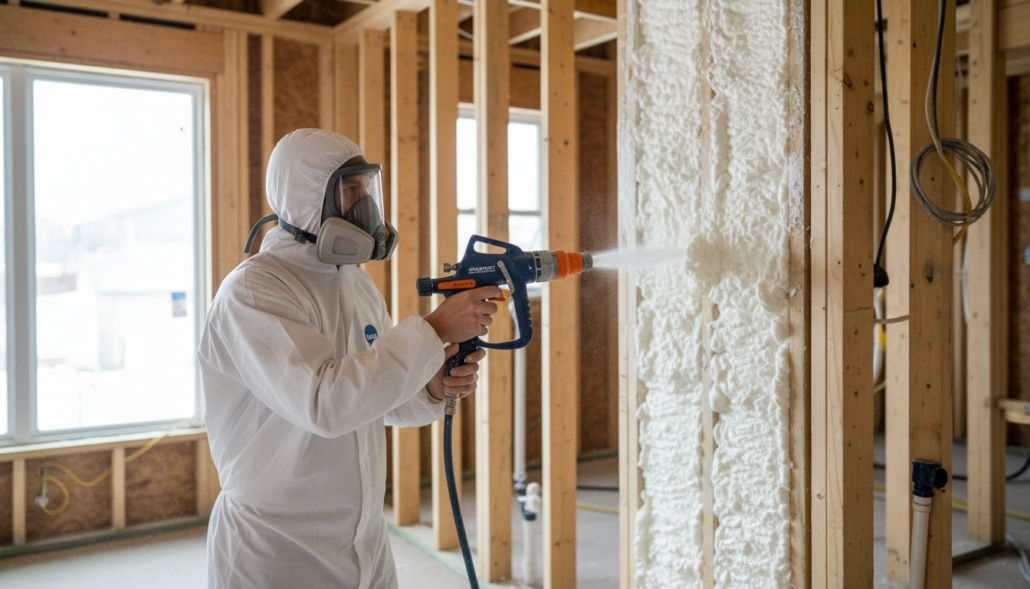
What if investing in spray foam insulation could lower your winter heating bills and improve your home’s air quality? With the rising costs of energy in Grand Rapids, homeowners are increasingly looking for effective solutions to combat drafts and moisture. Understanding the spray foam insulation cost in Grand Rapids is crucial for making an informed decision. In this guide, we’ll provide a transparent breakdown of pricing, local cost factors, and how to make your investment work for Michigan’s unique climate. You’ll not only gain insights into the costs associated with your specific project but also learn how to choose the right foam to enhance indoor air quality, prevent mold, and ensure a healthier living environment. By the end of this article, you’ll have the confidence you need to take action and secure your home’s comfort for years to come.
Key Takeaways
- Understand the real costs of spray foam insulation in Grand Rapids, including why “cost per square foot” may not reflect the complexity of your project.
- Learn about key factors that influence your spray foam quote, such as the difficulty of installation in spaces like crawl areas versus new constructions.
- Discover the benefits of open cell versus closed cell foam, especially in terms of moisture management crucial for Michigan’s climate.
- Calculate your potential ROI with spray foam insulation cost Grand Rapids, including typical energy savings that can significantly reduce your utility bills.
- Get insights on how to secure an accurate quote from Third Coast Spray Foam, ensuring all aspects of your home’s health and safety are considered.
The Real Cost of Spray Foam Insulation in Grand Rapids (2026)
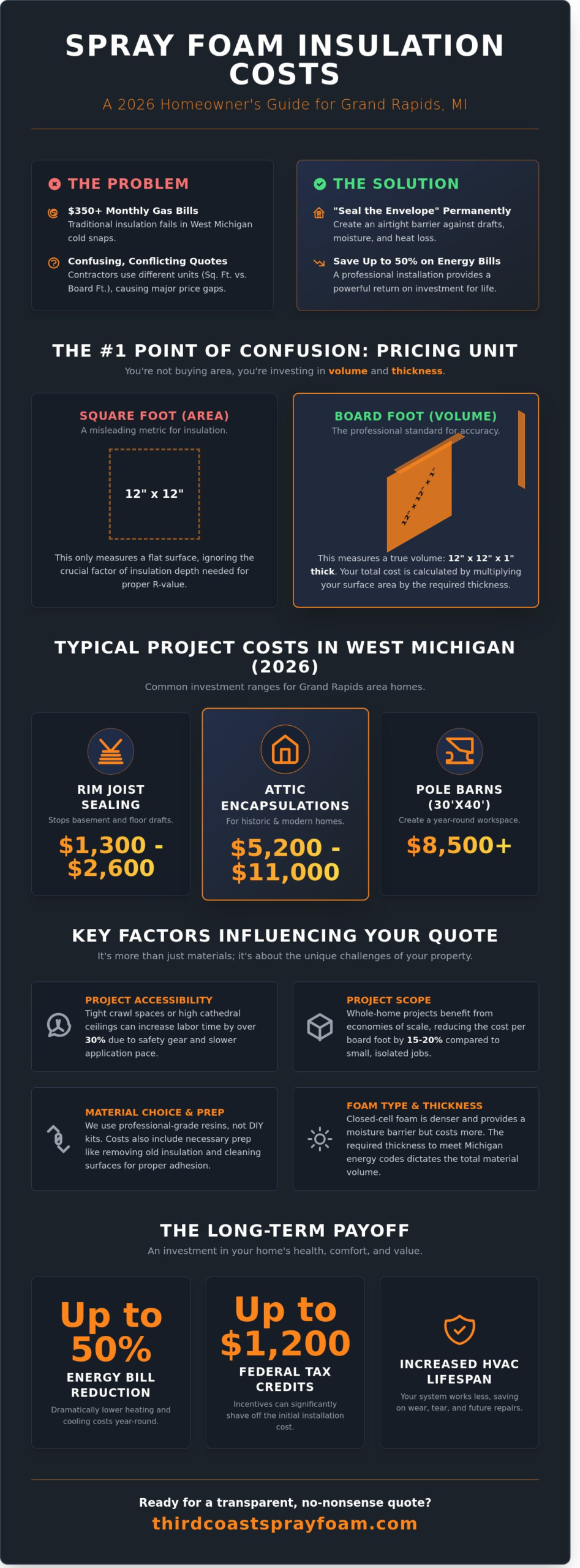
Understanding the spray foam insulation cost Grand Rapids homeowners face in 2026 requires a nuanced approach. In West Michigan, the average price for residential spray foam insulation ranges from $1.50 to $3.50 per board foot. However, this figure does not tell the whole story. Homeowners must consider factors like project complexity, local labor rates, and material availability, which can all influence the final quote.
One common misconception is that focusing solely on “cost per square foot” provides a clear picture of expenses. This metric can be misleading, particularly for complex projects that may require varying thicknesses or specific application techniques. For example, older homes in Grand Rapids often have unique framing or insulation challenges that necessitate customized solutions. Thus, it’s essential to consult with professionals who can evaluate your specific situation.
Another critical aspect is the difference between material-only costs and the value of professional installation. While DIY options for spray foam exist, they often lack the precision and expertise that a qualified contractor brings. The installation process is crucial for ensuring that the insulation performs effectively in sealing your home’s thermal envelope, which directly impacts indoor air quality and respiratory health.
In Grand Rapids, current labor rates range from $50 to $100 per hour, depending on the contractor’s experience and project demands. Material availability is also a significant factor, influenced by local suppliers and market trends. This means that prices could vary widely based on your location in the city and the specific materials chosen.
Understanding Board Feet vs. Square Feet
A board foot is defined as a volume measurement of 12 inches by 12 inches by 1 inch thick. To estimate your spray foam needs, you should convert your square footage into board feet. For example, if your attic measures 1,000 square feet and you require an application thickness of 5 inches, you will need 4,167 board feet (1,000 sq ft x 5 inches / 12). Moreover, Michigan building codes often dictate thickness requirements based on insulation type, which can affect your overall cost.
Typical Project Price Brackets in West Michigan
- Rim Joist Sealing: This popular project typically costs between $700 and $1,200, depending on the size of the area and accessibility.
- Full Attic Encapsulation: For historic homes, full attic encapsulation can range from $2,000 to $4,000, influenced by the age and condition of the existing structure.
- Large-Scale Projects: Expect to budget $4,000 to $10,000 for larger pole barn or workshop projects, depending on size and insulation needs.
Investing in spray foam insulation is not merely about upfront costs; it’s about enhancing your home’s energy efficiency, improving indoor air quality, and fostering a healthier living environment. By understanding the various factors at play, you can make an informed decision that benefits both your wallet and your well-being.
Key Factors Influencing Your Grand Rapids Spray Foam Quote
The cost of spray foam insulation in Grand Rapids can vary significantly based on several key factors. Understanding these elements can help you prepare for your insulation project and manage expectations regarding the final quote.
Project Accessibility and Scope
One of the most significant influences on your spray foam insulation cost in Grand Rapids is project accessibility. Areas like tight crawl spaces or high cathedral ceilings can complicate installation, increasing labor time and costs. For instance, accessing a cramped crawl space may require specialized equipment and additional safety measures, which can elevate your overall price. In contrast, open-wall new construction tends to be more straightforward, often resulting in lower labor costs.
Additionally, the scope of your project plays a crucial role. Small “patch” jobs, such as sealing minor leaks, may cost less upfront but can lead to higher long-term energy bills if not integrated into a larger insulation strategy. Whole-house sealing projects, while more expensive initially, often have a lower cost per board foot, providing better value over time.
Material Choice: Brand and Quality
The materials you choose also impact the spray foam insulation cost in Grand Rapids. Third Coast Spray Foam prioritizes the use of professional-grade resins, which offer superior performance compared to standard DIY kits. Using high-yield foam, for example, can lead to better thermal performance and improved indoor air quality, as it helps seal the home’s thermal envelope effectively. This is particularly important in preventing the growth of mold and mildew, which can compromise respiratory health.
Moreover, the current supply chain trends in 2026 are influencing local Michigan material costs. Recent disruptions have caused fluctuations in pricing, so staying informed on market conditions can help you anticipate your insulation budget.
Prep Work Requirements
Before installation begins, adequate prep work is essential. This includes masking windows, protecting floors, and ensuring thorough site cleanup. Neglecting these tasks can lead to additional expenses and potential damage to your home, which could further impact your overall insulation costs.
Distance and Logistics
The logistics of service delivery also affect your spray foam insulation cost. Serving a broader area, such as Fruitport, Grand Rapids, and Muskegon, can incur extra transportation costs. Understanding your specific location’s impact on pricing can help you plan accordingly.
<pIn summary, several factors influence the spray foam insulation cost in Grand Rapids, from project accessibility and material choices to prep work requirements and logistics. By considering these elements, homeowners can make informed decisions that lead to long-term comfort and health benefits within their homes. If you're contemplating a spray foam project, explore how Third Coast can assist you in achieving a well-insulated home. Learn more about our services.
Open Cell vs. Closed Cell: Cost-Benefit for the Michigan Climate
Choosing the right type of spray foam insulation is crucial for homeowners in Grand Rapids, particularly when considering the specific challenges presented by the Michigan climate. The two main types—open cell and closed cell—offer distinct benefits and price points. Understanding these differences can help you make an informed decision about which option provides the best value for your investment.
Closed cell spray foam insulation typically costs more than open cell, but it also delivers higher R-value per inch, making it a more efficient choice for energy savings. This higher R-value means better insulation against the cold winters and hot summers in Michigan, directly impacting your energy bills. Additionally, closed cell foam acts as a vapor barrier, which is essential for moisture management, especially in areas like rim joists that are prone to dampness.
Beyond temperature control, closed cell insulation adds structural integrity to buildings such as pole barns. With Michigan’s heavy snowfall, the additional strength provided by closed cell foam can prevent structural damage. In contrast, while open cell foam is less expensive and effective for applications like interior walls and sound dampening, it falls short in high-moisture environments like basements.
When to Choose Open Cell (The Budget-Friendly Option)
Open cell foam is the budget-friendly option, ideal for interior applications where sound absorption is a priority. It offers cost savings for deep-cavity attic applications, making it a popular choice for homeowners looking to insulate without breaking the bank. However, in high-moisture areas like basements, open cell foam can lead to mold and mildew growth, impacting indoor air quality and respiratory health.
Why Closed Cell is the West Michigan Gold Standard
Closed cell foam is often considered the gold standard in West Michigan due to its vapor barrier properties. Homes near Lake Michigan benefit immensely from this feature, as it prevents moisture infiltration that can lead to mold growth and degraded indoor air quality. Additionally, with an R-value of up to 7 per inch, closed cell foam maximizes insulation in tight 2×4 walls, allowing homeowners to achieve better energy efficiency within limited space. Its long-term durability against Michigan’s freeze-thaw cycles ensures that your investment remains sound for years to come.
In summary, while the spray foam insulation cost in Grand Rapids may vary between open and closed cell options, the long-term benefits of closed cell foam often justify the initial expense. It provides superior thermal performance, moisture management, and structural integrity, making it the preferred choice for homeowners committed to both comfort and health in their living environments.
Calculating ROI: When Does Spray Foam Pay for Itself in Kent County?
Investing in spray foam insulation is more than just a home improvement; it’s a strategic financial decision that can yield significant returns over time. In Grand Rapids, homeowners can typically expect a 30% to 50% reduction in energy bills after installing spray foam insulation. This substantial decrease not only alleviates monthly expenses but also enhances the longevity of your HVAC system. With properly insulated homes, smaller HVAC units can operate more efficiently, leading to less wear and tear.
In addition to direct savings, spray foam insulation can boost your home’s resale value. The West Michigan real estate market is competitive, and energy-efficient homes often attract buyers willing to pay a premium. A well-insulated home not only signals energy savings but also suggests lower maintenance costs and a healthier living environment.
The “Health ROI” of spray foam insulation is another critical factor. By reducing air leaks, spray foam helps prevent mold growth, lowers allergen levels, and deters pests. This creates a healthier indoor air quality, which is crucial for respiratory health. Homeowners can breathe easier knowing their living spaces are less prone to harmful mold and allergens.
2026 Michigan Energy Rebates and Tax Credits
Homeowners in Grand Rapids can take advantage of various energy rebates and tax credits to further offset the spray foam insulation cost in Grand Rapids. The Energy Efficient Home Improvement Credit (Section 25C) allows homeowners to claim a tax credit for a percentage of the cost associated with energy-efficient upgrades, including insulation. Additionally, local utilities like Consumers Energy and DTE offer rebates for air sealing and energy efficiency improvements. To maximize your tax savings, keep thorough documentation of your installation, including receipts and any relevant contractor information.
Stopping the “Hidden Costs” of Poor Insulation
- Preventing ice dams: Spray foam insulation effectively prevents ice dams from forming on roofs, saving you from costly repairs to roofs and gutters.
- Eliminating dehumidifiers: Proper insulation can reduce the need for expensive dehumidifiers in crawl spaces, saving you on both appliance costs and energy bills.
- Preventing structural rot: Air sealing plays a crucial role in preventing structural rot over 20 years, safeguarding your home’s foundation and integrity.
In conclusion, the advantages of spray foam insulation extend beyond immediate energy savings. From enhancing indoor air quality to increasing property value, the long-term benefits present a compelling case for this investment. If you’re considering insulation options, our team at Third Coast Spray Foam is here to guide you through the process and maximize your home’s potential.
Getting an Accurate Quote from Third Coast Spray Foam
When it comes to understanding the spray foam insulation cost Grand Rapids, our approach at Third Coast Spray Foam is straightforward and honest. We believe in providing local homeowners with accurate, no-nonsense estimates that reflect the true needs of their homes. Our commitment extends beyond just pricing; we focus on delivering solutions that enhance indoor air quality, promote respiratory health, and prevent issues like mold and mildew.
The Estimating Process: From Call to Install
Getting a quote from us is a seamless process. It begins with a simple phone call, where you can discuss your insulation needs. Our team will then schedule a professional site walkthrough. During this visit, we meticulously measure your space, ensuring price accuracy and tailoring our services to fit your home’s unique requirements. Typically, Grand Rapids residential installs can be completed within a week, depending on the project’s scope. Our local reliability means you can count on timely service, delivered with a neighborly touch.
What to Expect During a Professional Site Walkthrough
During the walkthrough, our experts will assess areas prone to air leaks and thermal inefficiencies. We emphasize the importance of sealing your home’s envelope, which significantly contributes to better indoor air quality. By effectively managing these aspects, you can create a healthier living environment that minimizes allergens and prevents mold growth.
The Third Coast Difference: Expert Application and Site Cleanliness
What sets Third Coast apart is our focus on expert application and maintaining a clean job site. Our trained professionals prioritize not only the efficiency of the installation but also the cleanliness of your home throughout the process. We recognize that a tidy working environment contributes to your overall satisfaction.
Why We Don’t Offer Fiberglass
At Third Coast, we have chosen to focus solely on spray foam insulation because it provides more permanent solutions compared to fiberglass. Spray foam creates an airtight seal that enhances thermal performance and supports better indoor air quality. This choice reflects our commitment to delivering long-term comfort and health benefits for our clients.
Ready to Seal Your Home’s Envelope?
Choosing a local Fruitport-based team like Third Coast Spray Foam means you gain a partner committed to accountability and quality. We take pride in supporting our community and ensuring your family’s safety and comfort. To take the first step toward a healthier home, schedule your free insulation assessment today. Request your Grand Rapids spray foam quote from Third Coast today.
Invest in Your Home’s Comfort and Health
Understanding the spray foam insulation cost Grand Rapids can empower you to make informed decisions that enhance your home’s energy efficiency and indoor air quality. Key factors such as material type and installation specifics can significantly influence your investment. Choosing the right insulation not only contributes to reducing energy bills but also plays a vital role in preventing mold and improving respiratory health by creating a healthier indoor environment.
Don’t leave your home’s comfort and health to chance. Take the first step towards a more energy-efficient and healthier living space by getting your free Grand Rapids spray foam estimate today. Our locally owned team specializes in solutions tailored to Michigan’s unique climate challenges. Together, we can ensure your home remains a safe and comfortable haven for years to come.
Frequently Asked Questions
Is spray foam insulation worth the extra cost in Grand Rapids?
Yes, spray foam insulation is worth the extra cost in Grand Rapids due to its superior energy efficiency and air sealing capabilities. It significantly reduces heating and cooling costs, often saving homeowners up to 30% on energy bills annually. Additionally, its ability to improve indoor air quality by minimizing moisture and preventing mold growth makes it a valuable investment for long-term comfort and health.
How much does it cost to spray foam a 30×40 pole barn in Michigan?
The cost to spray foam a 30×40 pole barn in Michigan typically ranges from $2,500 to $4,000, depending on the thickness of insulation and specific requirements. This price may vary based on the contractor and any additional features needed for moisture control or air sealing, which are essential for maintaining a healthy indoor environment.
Does spray foam cost more for older historic homes in Heritage Hill?
Yes, spray foam insulation can cost more for older historic homes in Heritage Hill. These homes often require specialized installation techniques to preserve their structural integrity and historical value. Additionally, any necessary repairs to the existing framework or compliance with local preservation guidelines can increase overall project costs.
Can I save money by using a DIY spray foam kit instead of hiring a pro?
While DIY spray foam kits may seem cost-effective, they often lead to higher long-term expenses due to improper installation. Professional installers ensure a proper application that maximizes insulation effectiveness and prevents issues like air leaks and moisture buildup, which can negatively impact indoor air quality and lead to health risks.
How much does spray foam insulation cost per square foot in Grand Rapids?
In Grand Rapids, spray foam insulation costs approximately $1.00 to $3.50 per square foot, depending on the type of foam used and the project’s complexity. This pricing reflects the quality of materials and the expertise required for installation, both crucial for ensuring effective air sealing and moisture management in homes.
Are there specific 2026 rebates for spray foam in Kent County?
Yes, Kent County may offer specific rebates for spray foam insulation in 2026 as part of energy efficiency programs. Homeowners should check with local utility providers and state energy offices for updated information on available incentives that can help offset installation costs and promote healthier indoor environments.
Does Third Coast Spray Foam offer financing for larger insulation projects?
Yes, Third Coast Spray Foam offers financing options for larger insulation projects, making it easier for homeowners to invest in their property. These financing plans allow homeowners to manage their budgets while ensuring their homes receive the necessary insulation to enhance comfort and indoor air quality.
How long does the spray foam installation process take for a standard home?
The spray foam installation process for a standard home typically takes between 4 to 8 hours, depending on the size and complexity of the project. Following installation, homeowners should allow 24 hours for the foam to cure fully before re-entering the space, ensuring a safe and healthy indoor environment free from chemical exposure.
Disclaimer
Information provided is for general educational purposes. Individual needs and circumstances vary. Speak to an experienced professional before relying on the information given here.


Leave a Reply
Want to join the discussion?Feel free to contribute!