

Professional Insulation Removal in Grand Rapids, MI: When & Why to Start Fresh
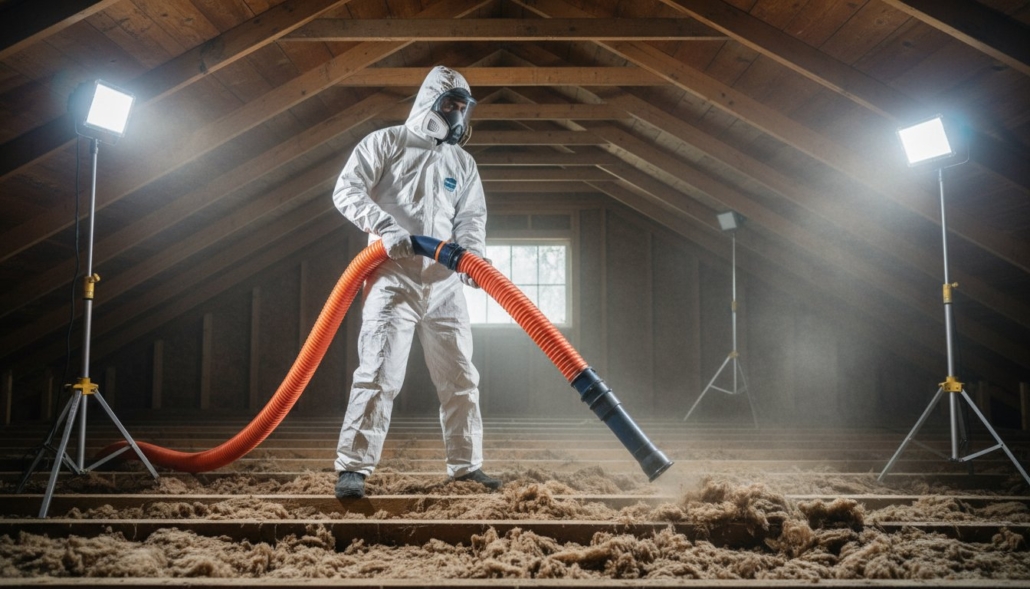
What if the material meant to keep your Grand Rapids home warm is actually the primary source of those lingering odors and persistent allergy symptoms? For many West Michigan homeowners, the attic is a “hidden” space, but old, degraded material often traps rodent droppings and mold spores that circulate through your living areas. Professional insulation removal isn’t just about making space for new products; it’s about stripping away decades of contaminants that compromise your family’s health. We understand that the idea of a full cleanout feels overwhelming. It’s common to worry about the mess or the investment required to start fresh.
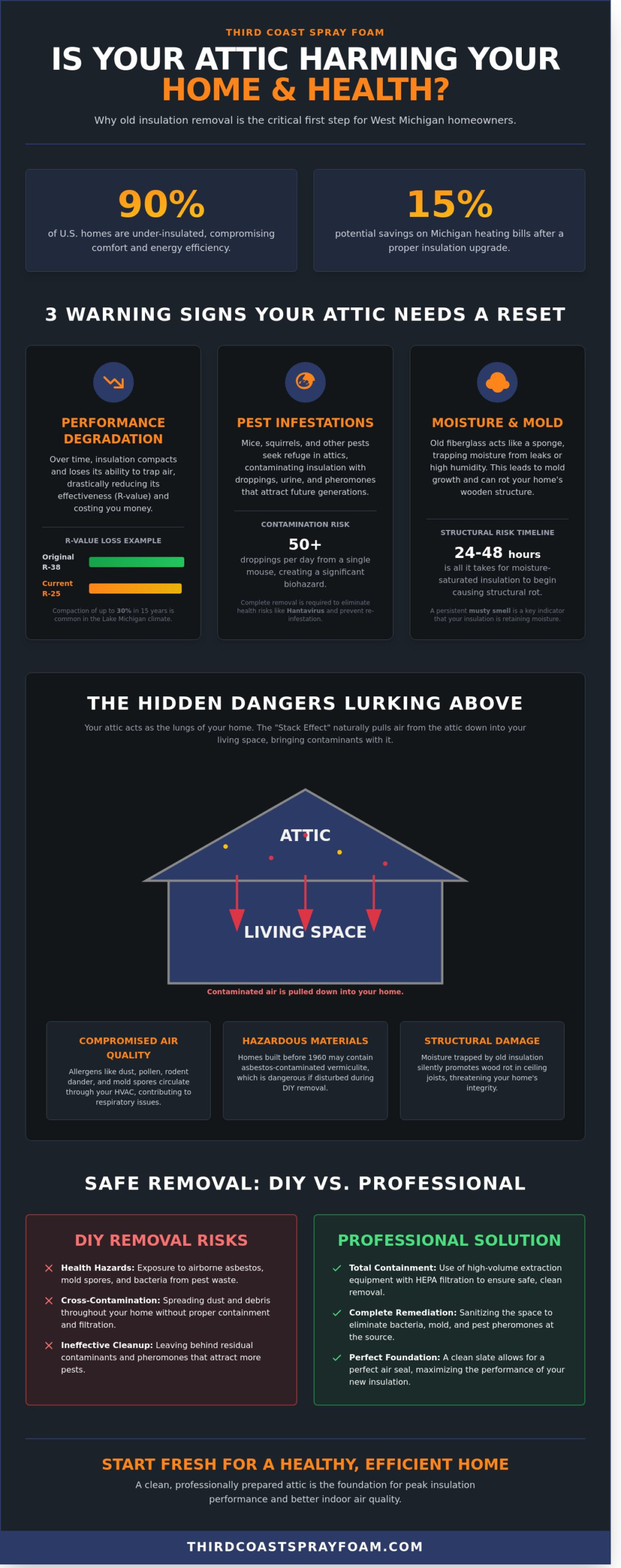
You’re right to prioritize your home’s total health and energy performance. Since 90% of American homes are currently under-insulated, starting with a clean slate is the only way to ensure your new thermal envelope performs at its peak. This guide explains why removing old debris is the critical first step to reclaiming your comfort and slashing those Michigan heating bills by up to 15%. We’ll walk you through the signs that your attic needs a reset and how a sanitized space leads to better indoor air quality for everyone under your roof.
Key Takeaways
- Learn how to spot the physical signs of failing fiberglass and cellulose that are compromising your West Michigan home’s thermal envelope.
- Understand how professional insulation removal eliminates hidden allergens and rodent dander, preventing the “stack effect” from pulling contaminated air into your living space.
- Discover why specialized high-volume extraction equipment is essential for a safe attic cleanout compared to risky and messy DIY methods.
- See how starting with a clean slate allows for a perfect air seal, paving the way for a high-performance insulation upgrade that ensures long-term comfort.
Recognizing the Signs: When Your West Michigan Home Needs Insulation Removal
Living in the Grand Rapids area means your home faces a unique set of environmental pressures. From the heavy lake-effect snow of January to the 75% humidity levels common in July, your attic is under constant stress. Over time, traditional materials like fiberglass and cellulose physically break down. This degradation isn’t just about age; it’s about performance. When these materials lose their loft, they lose their R-value. We often see attics where the original R-38 rating has plummeted to an R-25 due to simple aging and environmental exposure. Many homeowners consider simply topping off their existing layers. We advise against this because adding new material over the old often traps moisture and conceals structural damage. A thorough assessment of your Building insulation usually reveals that starting fresh is the only way to ensure a true thermal seal.
In Fruitport and surrounding communities, we often find that insulation installed 15 years ago has compacted by as much as 30%. This compaction is accelerated by the Lake Michigan climate, where damp air settles into the attic floor and weighs down the fibers. Once the material is compressed, it can’t trap air effectively, which is how insulation actually works. Professional insulation removal is the first step toward restoring total home health and ensuring your new investment performs at its peak capacity.
Pest Infestations and Wildlife Damage
Mice, squirrels, and raccoons frequently seek refuge in West Michigan attics during our freezing winters. These invaders don’t just displace material; they contaminate it. A single mouse can leave up to 50 droppings a day, creating a biohazard within your ceiling. These pests leave pheromone trails that attract future generations, making spot-cleaning a temporary fix at best. Complete insulation removal is necessary to eliminate these scents and the associated health risks like Hantavirus. We ensure the space is fully remediated before any new product is installed.
Mold, Mildew, and Moisture Retention
Old fiberglass acts like a giant sponge when a roof leak occurs or when humidity levels spike above 60%. Once saturated, these batts hold moisture against your wooden ceiling joists. This can lead to structural rot within 24 to 48 hours. If you notice a persistent musty smell or see dark spotting on your drywall, your insulation has likely reached its moisture capacity. This creates an environment where mold spores thrive. These spores eventually circulate through your HVAC system, affecting your family’s air quality and overall comfort.
The Hidden Risks of Old Insulation: Health, Air Quality, and Structure
The attic functions as the lungs of your home, yet it is often the most neglected space in a West Michigan household. When insulation ages, it stops being a protective thermal barrier and starts becoming a reservoir for pollutants. For Grand Rapids homeowners, this is particularly concerning because our local housing stock includes many structures built between 1920 and 1960. These older homes often harbor asbestos-contaminated vermiculite insulation, which poses a severe risk if fibers become airborne during DIY projects. Professional insulation removal ensures these hazardous materials are extracted using high-powered vacuums and HEPA filtration, preventing cross-contamination within your home.
Indoor Air Quality and Your Family
Many families struggle with persistent allergy symptoms or respiratory issues without realizing the source is right above their heads. Over decades, fiberglass and cellulose collect dust, pollen, and rodent dander. When pests like mice or squirrels nest in your attic, they leave behind pheromones and waste that decompose into fine particulates. The stack effect is the process where warm air rises and exits through the roof, creating a vacuum that pulls air and contaminants from the attic down into your living spaces. By opting for professional insulation removal, our team at Third Coast Spray Foam eliminates these irritants at the source, rather than just filtering the air. This process is a vital step toward achieving total home health and ensuring your family breathes clean, untainted air.
Protecting the Structural Integrity of Your Home
Old insulation does more than just fail at heat retention; it can actively damage your home’s bones. Grand Rapids averages 75 inches of snow annually, making ice dams a recurring threat. When degraded insulation allows heat to escape, it melts roof snow that later refreezes at the eaves, backing up water under your shingles. This moisture eventually saturates the insulation below. Wet insulation is incredibly heavy. A standard 1,500-square-foot attic can carry hundreds of pounds of excess weight when damp, which puts immense stress on your ceiling drywall and wooden framing.
- Wood Rot: Trapped moisture in old batts leads to mold growth and the eventual decay of attic joists.
- Fire Hazards: In many older Grand Rapids neighborhoods, homeowners still have active knob-and-tube wiring. Covering this outdated electrical work with combustible old insulation is a recipe for disaster.
- Financial Impact: Ignoring attic moisture can lead to structural repairs costing upwards of $10,000, whereas proactive removal is a fraction of that investment.
Sealing the envelope of your home starts with a clean slate. If you suspect your attic is harboring moisture or pests, you can request a professional attic assessment to identify the best path forward for your property’s long-term safety.
DIY vs. Professional Insulation Removal in Kent & Ottawa County
Many Grand Rapids homeowners visit online forums and convince themselves that insulation removal is a simple weekend project. They see a few photos and assume a shop-vac and a pair of gloves are the only requirements. The reality of a West Michigan attic in mid-July is far more punishing. Inside a 1,500 square foot attic, temperatures frequently climb above 130 degrees Fahrenheit by 10:00 AM. A standard 12-gallon shop-vac is woefully inadequate for this volume; you would need to empty the canister over 200 times to clear a typical attic floor. This process isn’t just exhausting; it’s a logistical nightmare.
The financial math of DIY rarely adds up. Renting a commercial-grade gas vacuum costs roughly $275 per day. When you add $180 for Tyvek suits, P100 respirators, and 6-mil poly bags, the savings vanish quickly. Local disposal regulations in Kent and Ottawa County are also strict. Contaminated building materials can’t simply go in your weekly trash bin. You must transport the waste to facilities like the South Kent Landfill, where tipping fees for construction debris can exceed $55 per ton. Our team handles these logistics so you don’t have to spend your Saturday at the dump.
The Danger of Disturbing Hazardous Materials
Safety is the primary reason we advise against DIY cleanouts. Older homes in neighborhoods like Heritage Hill or East Grand Rapids often contain vermiculite insulation. This material carries a high risk of containing asbestos fibers. It is vital to understand the dangers of asbestos exposure before you move a single handful of dust. Beyond chemical risks, the physical environment is treacherous. One misstep off a ceiling joist can send a person through the drywall and onto the floor below. A basic hardware store dust mask won’t protect you from hantavirus or histoplasmosis found in rodent droppings. Professional crews use full-face respirators and rigorous containment protocols to keep your living space clean.
Efficiency and Thoroughness of the Pro Approach
Third Coast Spray Foam uses 19-horsepower vacuum systems that pull debris through a 6-inch hose directly into a collection bag outside. We remove every cubic inch of old material, including the fine dust that holds allergens and persistent odors. A DIY attempt typically takes a homeowner 40 hours of grueling labor spread over several weekends. Our crew completes the entire insulation removal and sanitization process in about 6 to 8 hours. Once the floor is bare, we treat the wood with antimicrobial agents to kill bacteria and neutralize smells. This level of total home health is impossible to achieve with a rental vacuum and a broom.
Step-by-Step: What to Expect During a Professional Attic Cleanout
Removing old, contaminated material is a precise operation that requires more than just a pair of gloves and a trash bag. At Third Coast Spray Foam, we treat your Grand Rapids home like a controlled environment. The process begins by establishing a clear path from your attic hatch to the nearest exit, ensuring your interior remains pristine throughout the 6 to 8 hours the project typically requires. We believe that a clean start is the only way to guarantee the performance of your new thermal envelope.
Preparation and Containment
Our team starts by laying down heavy-duty drop cloths and installing 6-mil plastic barriers to isolate the work zone. We don’t want a single speck of attic dust, fiberglass particles, or rodent dander entering your living room. We carefully route 150 feet of high-volume vacuum hoses through the least intrusive path, often using a second-story window or a garage door to keep the main entryway clear. Outside, we stage 75-gallon collection bags and protect your landscaping with plywood sheets or specialized tarps to prevent any debris from touching your lawn or driveway.
Extraction and Sanitization
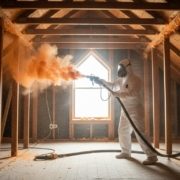
The core of the insulation removal process involves a 19-horsepower vacuum system that pulls material directly from your attic into the collection bags outside. We systematically remove every inch of old fiberglass batts, dusty blown-in cellulose, and nested debris left by local wildlife. Once the attic floor is bare, our technicians perform a detailed inspection of the structural joists and electrical runs. We often find hidden bypasses where up to 15% of your heated air escapes into the attic through unsealed top plates, plumbing stacks, or recessed light fixtures.
After the physical debris is gone, we apply an industrial-grade antimicrobial treatment to all exposed surfaces. This step is vital because it neutralizes pheromone trails left by pests, which prevents future generations of rodents from being attracted back to your home’s warmth. This deep clean transforms your attic from a dusty liability into a sanitized canvas ready for professional air sealing. By addressing these hidden gaps and 1/4-inch cracks, we begin the process of “sealing the envelope.” This is the foundation of total home health, ensuring your Grand Rapids property remains efficient for the next 20 years. Cleaning the space allows us to see the exact condition of your home’s structure, which is impossible when it’s buried under 12 inches of old insulation removal debris.
From Removal to Renewal: Upgrading to High-Performance Insulation
A successful insulation upgrade doesn’t happen by layering new material over old, failing batts. To achieve a perfect air seal, our team needs a clean slate. When we perform insulation removal, we expose the “attic floor,” which is actually the ceiling of your living space. This visibility is vital. It allows us to see every wire penetration, plumbing stack, and top plate that leaked conditioned air into your attic for years. By starting fresh, we ensure that 100% of these bypasses are sealed before the new material is installed, creating a permanent barrier against Michigan’s humidity and cold.
The Third Coast approach treats your home as a single, integrated system. We don’t just “blow in” more fluff. We prioritize sealing the envelope from the top down to prevent the stack effect from pulling heat out of your rooms. Homeowners in Grand Rapids often see utility bill reductions of 20% to 35% after a full removal and replacement. This efficiency means the project typically pays for itself within 3 to 5 Michigan winters, providing a tangible return on investment that increases your property value and daily comfort.
Preparing for Spray Foam Adhesion
If you’re choosing closed-cell spray foam, a clean substrate is mandatory. This high-performance material requires a dust-free surface to create a long-lasting, airtight bond with your home’s structure. Leftover debris or fiberglass dust from old insulation acts as a barrier, preventing the foam from adhering properly to the wood. Our “Total Home Health” philosophy dictates that we remove every trace of the old system. This ensures the foam seals the top plates and headers perfectly, reinforcing the structural integrity of your thermal envelope while blocking out pests and allergens.
Choosing Your New Insulation System
Deciding on the right material depends on your specific goals and your 2026 budget. While blown-in cellulose offers an eco-friendly and cost-effective way to reach R-49 or R-60 standards, spray foam provides the most robust air seal available today. We often recommend a holistic approach that goes beyond the attic. This might include:
- Rim Joist Sealing: Stopping drafts at the foundation level where the house meets the sill plate.
- Crawl Space Encapsulation: Preventing moisture from rising through the floors.
- Hybrid Solutions: Combining flash-and-batts or foam-and-cellulose for maximum performance and value.
For more details on the benefits of premium materials, see our guide on Closed Cell Spray Foam for West Michigan.
Your journey to a more comfortable, efficient home starts with a clear understanding of your current energy loss. Don’t guess where your heat is going. Contact Third Coast Spray Foam today to schedule your free West Michigan home energy assessment. Our experts will evaluate your attic, identify hidden leaks, and provide a straightforward plan to restore your home’s health through professional insulation removal and high-performance upgrades.
Take the First Step Toward a Healthier, More Efficient Home
Your attic shouldn’t be a source of hidden health risks or wasted energy. Old, contaminated material often harbors mold and allergens that compromise your indoor air quality every day. By choosing professional insulation removal, you’re investing in a permanent solution that protects your family and your financial well-being. Our team of locally owned Fruitport experts uses high-volume industrial vacuum technology to extract debris without spreading dust throughout your living space. We follow strict Total Home Health sanitization protocols to ensure your attic is sterile before we begin sealing the envelope to meet 2024 energy efficiency standards. This process eliminates 100% of compromised material; it creates a clean slate for high-performance spray foam that can lower monthly utility bills by 15% or more. Don’t let outdated materials undermine your home’s structural integrity or comfort. We’re ready to help you reclaim your space and start fresh.
Get Your Free West Michigan Insulation Removal Estimate
Frequently Asked Questions
How much does insulation removal cost in Grand Rapids?
Insulation removal in Grand Rapids typically costs between $1.50 and $3.50 per square foot. For a standard 1,500-square-foot attic, homeowners often invest $2,250 to $5,250 depending on the material type and accessibility. Our team provides detailed quotes that account for specialized vacuum equipment and disposal fees to ensure you have a clear financial picture before we start the job.
Can I stay in my home during the insulation removal process?
You can remain in your home while our crew removes the old material. We use high-powered HEPA-filtered vacuums located outside the house to pull debris through a 4-inch hose, which prevents 99% of dust from entering your living space. We recommend staying out of the immediate area near the attic hatch for the 4 to 6 hours the process usually takes to ensure total safety.
How long does it take to remove insulation from a standard attic?
A professional insulation removal for a 1,200-square-foot attic generally takes 4 to 8 hours to complete. Our technicians work in pairs to ensure every corner of the thermal envelope is cleared of debris. Factors like the depth of the existing material or the presence of floorboards can add 2 hours to the timeline, but we always aim for a single-day turnaround.
Does homeowners insurance cover insulation removal after pest damage?
Homeowners insurance covers insulation removal if the damage results from a sudden and accidental event, such as a raccoon breaking through a roof vent during a storm. Most standard HO-3 policies don’t cover gradual infestations or rodent damage occurring over 6 months or more. We suggest reviewing your policy’s vermin exclusion clause to see if your 10% deductible applies to the restoration.
Is it dangerous to breathe the air in my home if I have old insulation?
Old insulation can degrade indoor air quality by releasing particles smaller than 2.5 microns into your HVAC system. If your home was built before 1978, there’s a 25% higher risk of encountering asbestos or lead dust in the attic. Removing contaminated material eliminates these irritants and prevents 100% of rodent-borne pathogens from circulating through your vents, protecting your family’s respiratory health.
What happens to the old insulation after you remove it?
Our team hauls 100% of the extracted material to a licensed West Michigan landfill for proper disposal. We use heavy-duty, 3-mil thick bags to seal the waste before it leaves your property, ensuring zero cross-contamination. This process keeps your yard clean and ensures that 50 to 100 bags of old fiberglass or cellulose don’t end up in your local curbside trash pickup.
Should I remove my insulation if I find mold in the attic?
You should remove any insulation that shows signs of mold growth because spores can double every 24 to 48 hours in humid conditions. Professional insulation removal is a critical step in the remediation process to ensure the wood deck is fully visible for treatment. We often find that 15% of the attic’s R-value is lost when moisture compromises the material’s structure.
Will removing old insulation make my house colder during the process?
Your home may experience a 5 to 10 degree temperature swing during the few hours between removal and the installation of new spray foam. We schedule our Grand Rapids projects to ensure the attic isn’t left empty overnight. By sealing the envelope quickly, we minimize the time your furnace or AC has to work harder to maintain your indoor comfort levels.
Disclaimer
Information provided is for general educational purposes. Individual needs and circumstances vary. Speak to an experienced professional before relying on the information given here.



Leave a Reply
Want to join the discussion?Feel free to contribute!