

Insulation in Grand Rapids, MI: Comparing the Best Options for West Michigan Homes
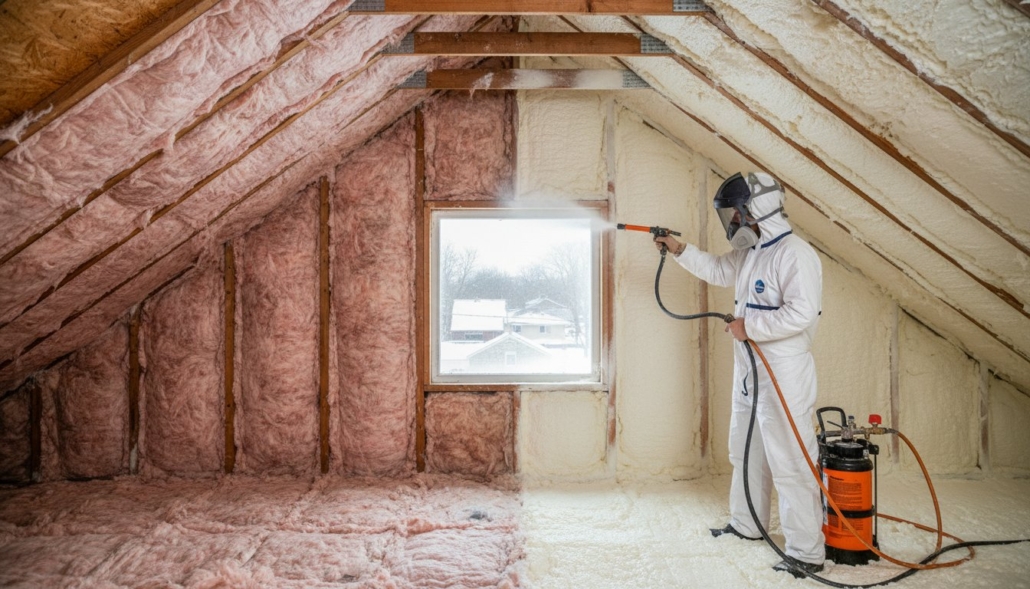
Last January, a homeowner in East Grand Rapids watched a 4-inch thick ice dam form on their eaves just three days after a heavy lake-effect snowstorm. They realized their existing insulation wasn’t just failing; it was costing them an average of $145 extra on their monthly heating bills. You shouldn’t have to tolerate frozen pipes in the crawl space or drafty rim joists that make your living room feel like a wind tunnel. We understand that West Michigan homeowners want a home that works with them, not against them.
At Third Coast Spray Foam, we believe in sealing the envelope to ensure your home remains a healthy, stable environment. In this guide, we’ll compare the performance, upfront costs, and long-term durability of the most common materials used across our 6a climate zone. You’ll learn which options provide a permanent solution against mold and sagging. We’ll show you how the right choice can lead to a 20% reduction in your annual energy consumption and significantly better indoor air quality for your family.
Key Takeaways
- Discover why high R-values alone cannot stop Grand Rapids’ lake-effect wind and how to properly seal your home’s thermal envelope.
- Compare the performance, installation speed, and long-term durability of the three most common insulation types used in West Michigan.
- Learn to calculate your true return on investment by comparing upfront material costs with long-term energy savings for Kent County homes.
- Gain a room-by-room strategy for choosing the right materials to protect your “total home health” from the attic to the crawl space.
The West Michigan Insulation Challenge: Why Grand Rapids Homes Need More Than Just R-Value
Grand Rapids homeowners face a unique set of environmental pressures that standard building practices often ignore. Our local climate demands a robust thermal envelope, which is the physical barrier separating your conditioned living space from the harsh Michigan elements. While many people think of insulation as just a pink blanket in the attic, it’s actually a complex system designed to manage heat, air, and moisture. For a comprehensive overview of insulation and its various materials, understanding the science of heat transfer is a great starting point. However, in West Michigan, heat resistance is only half the battle.
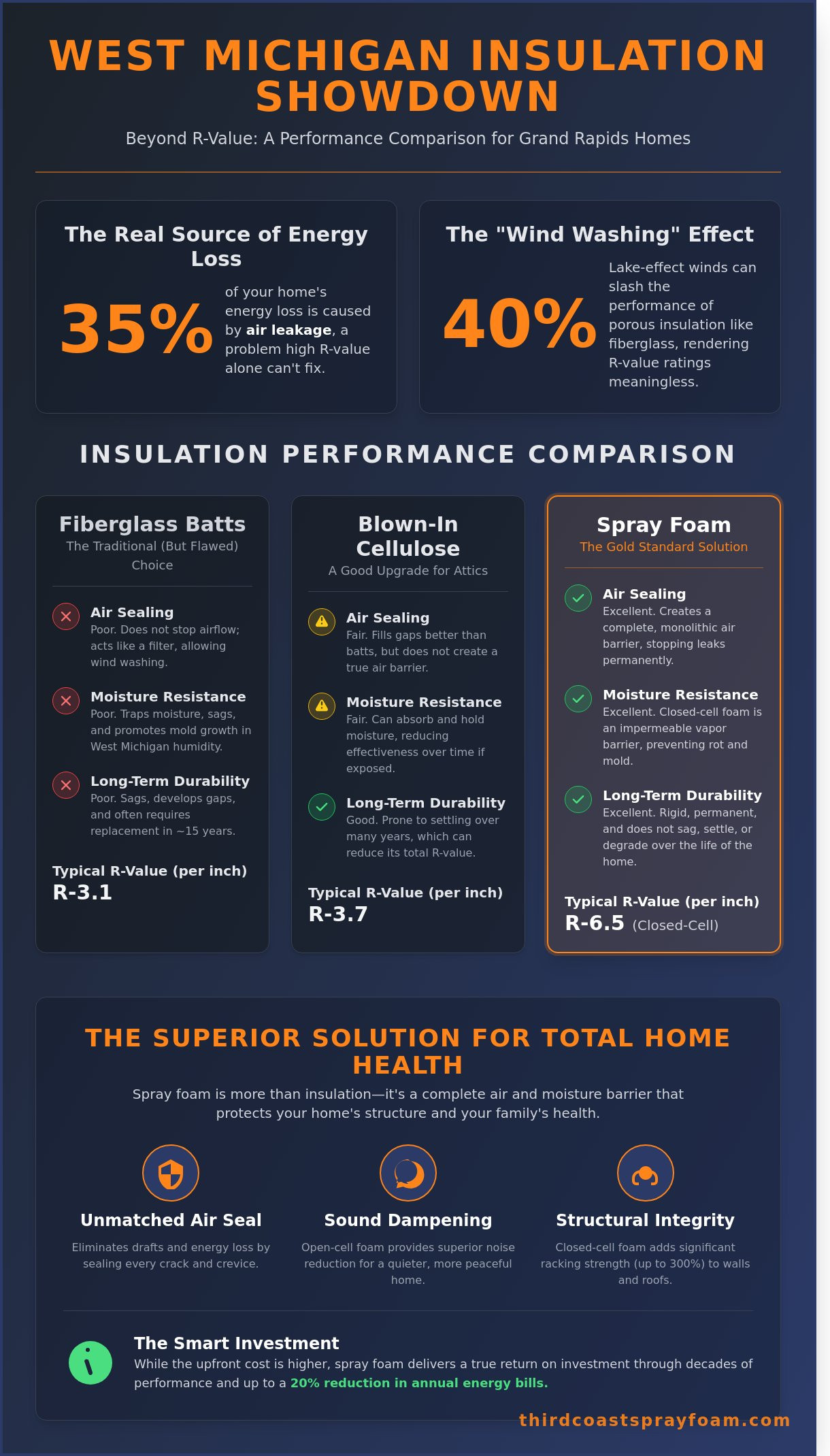
The 2026 Michigan energy standards will require homes to meet much stricter efficiency benchmarks than the outdated 20th-century fiberglass batt methods. Traditional batts often fail to address the 35% of energy loss caused by air leakage. This leads to common local headaches like ice dams on the roof and frozen rim joists in the basement. Our team views your home as a holistic system where every gap matters. Simply adding more material won’t solve the problem if the wind is blowing right through it.
Understanding R-Value vs. Air Sealing
R-value measures how well a material resists conductive heat flow, but it doesn’t measure air movement. In coastal areas like Muskegon, lake-effect winds can reach speeds of 45 mph, pushing cold air straight through porous fiberglass. This phenomenon, known as wind washing, can reduce the effective performance of your insulation by as much as 40%. A lower R-value material that provides a total air seal will consistently outperform a high R-value material that lets the wind whistle through your wall cavities.
The Impact of West Michigan Humidity
Humidity levels in Kent and Ottawa County often fluctuate wildly. Near Lake Michigan, moisture-laden air is a constant presence. Porous materials like fiberglass or cellulose can trap this moisture against your wood framing. This leads to condensation, rot, and mold growth within your walls. Local residential codes in the Grand Rapids area emphasize vapor management because wet materials lose their thermal effectiveness almost immediately. Protecting your home’s health means choosing products that don’t just sit there; they must actively block moisture from entering the wall cavity.
Comparing Insulation Materials: Fiberglass vs. Blown-In vs. Spray Foam
Choosing the right insulation for a Grand Rapids home isn’t just about meeting basic building codes. It’s about stopping the 20-degree drafts that crawl through floor joists every January. While many developers opt for the cheapest materials to keep initial construction costs down, those savings vanish when your furnace runs 24/7. At Third Coast Spray Foam, we prioritize materials that maintain their R-value for decades. Cheap materials often settle or degrade, requiring a full replacement every 15 years to maintain any semblance of efficiency.
Fiberglass Batts: The Traditional (But Flawed) Choice
Fiberglass remains common because it’s inexpensive and fast to install. However, it’s the least effective option for the humid, freezing cycles of West Michigan. In Fruitport attics, we frequently see batts that have developed 2-inch gaps or started sagging due to moisture weight. These gaps create thermal bypasses where heat escapes effortlessly. Because fiberglass doesn’t stop airflow, it acts more like a filter than a barrier. We don’t sell or recommend fiberglass batts for high-performance builds because they fail to provide the long-term security our clients expect.
Blown-In Cellulose: A Better Attic Solution
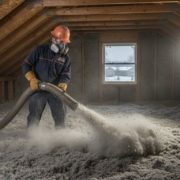
For older Grand Rapids homes with irregular joist spacing, blown-in insulation offers a significant upgrade over batts. This material consists of recycled paper treated with boric acid, which makes it naturally fire-retardant and resistant to pests. It settles into small crevices that batts miss, creating a more uniform thermal blanket. The U.S. Department of Energy provides a detailed breakdown of different Types of Insulation, noting how loose-fill options can be more effective in tight spaces. Cellulose is a viable choice for attic floors, though it still lacks the total air-sealing capabilities found in more advanced materials.
Spray Foam: The Gold Standard for West Michigan
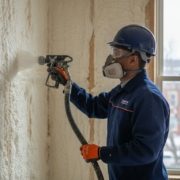
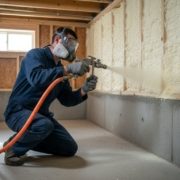
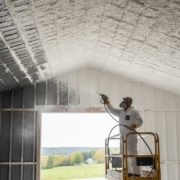
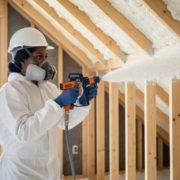
Spray foam is the only solution that provides insulation and a total air seal in a single application. We use open-cell foam for interior walls to provide excellent sound dampening. For Michigan pole barns and sheds, closed-cell foam is the superior choice. It adds incredible structural integrity, increasing rack strength by up to 300%. This creates an impermeable barrier that stops lake-effect moisture from reaching your wall studs.
While traditional materials lose their effectiveness as they collect dust and moisture, spray foam is a permanent investment. It won’t shrink or sag over time, ensuring your home’s thermal envelope remains intact for the life of the structure. If you want to see how these high-performance materials fit your specific project, you can request a custom assessment from our local team.
The Real Cost of Insulation: Upfront Price vs. Long-Term ROI
Choosing the right insulation involves looking past the initial quote. Fiberglass often appeals to the budget because it costs roughly 50% less than high-performance alternatives. However, traditional batts frequently hide costs in the form of air leaks and performance degradation over time. Our team views your home as a holistic system where sealing the envelope is the priority. For a detailed breakdown of material performance, you can consult this U.S. Department of Energy guide to insulation to see how different products stack up. In Grand Rapids, spray foam offers a permanent solution that won’t sag or lose its R-value, making it a one-time investment for the life of the structure.
Energy Bill Reductions in West Michigan
A typical 2,000 sq. ft. home in Kent County can expect a 15% to 30% reduction in monthly utility costs after switching to professional spray foam. By creating an airtight seal, you stop the “stack effect” that pulls cold air into your basement and pushes heat out through your attic. This efficiency extends the life of your HVAC system by 3 to 5 years because the units don’t have to cycle as frequently. In Muskegon, where lake-effect winds are brutal, homeowners often see a total payback on their investment within 5 to 7 years through energy savings alone.
Rebates and Tax Credits in 2026
The 2026 Federal Energy Efficient Home Improvement Credit allows Michigan residents to claim 30% of their project costs, up to a $1,200 annual limit. To secure these savings, you’ll need to keep your professional invoices and the manufacturer’s product certification statement. Local utility providers like Consumers Energy and DTE also offer prescriptive rebates that can shave another $75 to $500 off your project. These incentives, combined with a 2% to 5% increase in Grand Rapids real estate resale value, make high-quality insulation upgrades a smart financial move for any West Michigan homeowner.
Application Guide: The Best Insulation for Every Part of Your Michigan Home
Effective insulation isn’t a one-size-fits-all product. Every zone of your Grand Rapids home faces different pressure and moisture challenges. Treating the building as a holistic system ensures you aren’t just throwing money at one room while heat escapes through another. Our team focuses on sealing the entire thermal envelope to guarantee long-term performance.
Attics and Rim Joists: Stopping the Stack Effect
The stack effect acts like a vacuum in your house. Warm air rises and escapes through the attic, which pulls freezing air into your Fruitport home through the foundation. Rim joists are the most overlooked energy leak in West Michigan. These wooden joints sit directly on the concrete foundation and often have gaps that let in 100% of the outside air. We seal these with closed-cell spray foam to create a permanent air barrier. In the attic, we recommend unvented assemblies. This keeps your HVAC equipment within a conditioned space, which can reduce energy loss by 15% or more compared to traditional vented attics. For homeowners considering blown in insulation for their Grand Rapids attic, proper air sealing at the attic floor is essential to prevent the stack effect from undermining the thermal barrier.
Crawl Space Encapsulation and Insulation
Traditional fiberglass batts in a crawl space are a recipe for disaster. Michigan’s high water table means moisture is always present, and fiberglass absorbs that water like a sponge. This leads to mold growth and wood rot within 24 months. Encapsulation is the professional standard for our region. By using a heavy-duty vapor barrier and sealing the walls with foam, we transform a damp hole into a dry, conditioned area. This process typically raises the temperature of your first-floor floors by 5 to 8 degrees, making your home feel much warmer during a January freeze.
Pole Barns and Workshops
Metal buildings face a unique “sweating” problem. When you heat a workshop in the winter, the warm air hits the cold metal roof and condenses into water droplets that drip on your equipment. Closed-cell spray foam is the only solution that provides a 100% moisture barrier and structural reinforcement for these structures. While retrofitting an existing barn costs about 25% more than insulating a new build due to the cleaning and prep required, the year-round comfort and protection of your assets make it a necessary investment. We’ve seen owners reduce their heating costs by 40% after a professional insulation upgrade in their agricultural buildings.
If you’re ready to stop the drafts and protect your property, contact our team for a professional assessment of your home’s thermal envelope.
Why Third Coast Spray Foam is the Trusted Choice for Grand Rapids Insulation
Choosing the right team for your home’s insulation isn’t just about finding the lowest bid; it’s about protecting your biggest investment. At Third Coast Spray Foam, we operate under a “Total Home Health” philosophy. We don’t just spray foam and leave. Our team analyzes how your attic, walls, and crawl space interact to create a sealed thermal envelope. We handle everything from the surgical removal of old, contaminated materials using HEPA-filtered vacuums to the precision application of high-performance foam. This holistic approach ensures your home stays at a consistent 68 degrees regardless of a Lake Michigan blizzard.
The Dangers of DIY Insulation Kits
Those portable tanks you see at big-box stores look easy, but they carry significant risks. Spray foam requires a precise 1:1 chemical reaction at specific temperatures, typically between 100 and 130 degrees Fahrenheit. If the mix is off by even 2%, the foam won’t cure properly. This lead to lingering chemical odors or “off-gassing” that can persist for months. Professional rigs maintain constant pressure and heat that consumer kits simply can’t match. When you factor in the 20% waste common with DIY kits and the lack of a lifetime warranty, hiring our professionals is often the more cost-effective choice for a permanent seal.
Our Local Service and Reliability
We’re proud of our Fruitport roots and our deep connection to the West Michigan community. Our crews live and work in the same neighborhoods you do, serving residents across Kent, Ottawa, and Muskegon counties every day. We understand why a home in Grand Rapids needs different moisture management than a cottage right on the Muskegon shoreline. Our communication style is straightforward and honest. We don’t use high-pressure sales tactics or hide costs in the fine print. You get a clear, no-nonsense assessment of what your home needs to perform its best. We rely on our reputation for quality and our “straight-shooter” attitude to build lasting relationships with our neighbors.
Ready to experience the difference that professional expertise makes for your home comfort? Schedule your free West Michigan insulation estimate today!
Protect Your West Michigan Home for the Long Haul
Choosing the right thermal barrier for your Grand Rapids property isn’t just about hitting a specific R-value; it’s about creating a permanent envelope that stands up to Michigan’s unpredictable seasons. High-performance spray foam offers a superior return on investment by eliminating the air leaks that drive up monthly utility bills, often reducing energy loss by up to 40% compared to traditional materials. Since 2013, our family-owned team at Third Coast Spray Foam has helped local homeowners transition from drafty rooms to consistent, year-round comfort. We operate right out of Fruitport, bringing over 10 years of specialized expertise to every attic, crawl space, and rim joist we seal. You deserve a property that’s built to last and efficient to run. Our specialists are ready to help you analyze your home’s unique needs and implement a solution that pays for itself through lower energy costs and improved indoor air quality. Take the first step toward a more secure and comfortable living space today.
Get a Free Insulation Estimate for Your Grand Rapids Home
We look forward to helping you seal your home’s envelope and enjoy lasting peace of mind.
Frequently Asked Questions
Is spray foam insulation worth the extra cost in Michigan?
Yes, spray foam is worth the investment because it addresses Michigan’s 100 degree temperature swings between summer and winter. While the initial cost is higher than fiberglass, it provides a 15% to 40% reduction in monthly energy bills. Our team sees homeowners recoup their initial investment within 5 to 7 years through these utility savings. It creates an airtight seal that traditional materials simply can’t match.
What is the best insulation for an attic in Grand Rapids?
Spray foam is the superior choice for West Michigan attics because it seals the thermal envelope at the roof deck. This prevents common ice dam issues caused by the 75 inches of average annual snowfall in Grand Rapids. For homeowners on a stricter budget, blown-in cellulose is a reliable alternative that meets the current Michigan Energy Code requirement of R-49 or higher for residential spaces.
How much can I save on my energy bills with new insulation?
You can save an average of 15% on heating and cooling costs by air sealing and adding insulation to your home’s attic and crawl space. According to the EPA’s Energy Star program, these upgrades provide a high return on investment. In older Grand Rapids homes built before 1970, we often see utility bills drop by 30% or more after a professional installation by our team.
Can you install spray foam over existing insulation?
No, our team doesn’t recommend installing spray foam directly over existing fiberglass or cellulose. For the foam to bond correctly and create an airtight seal, it needs to be applied to a clean surface like wood or masonry. Leaving old, dusty material in place prevents the foam from adhering properly and can trap moisture or old allergens against your home’s structural framing.
Does insulation qualify for the 2026 federal tax credit?
Yes, the Energy Efficient Home Improvement Credit allows homeowners to claim 30% of the cost for weatherization projects through December 31, 2032. This includes a maximum annual credit of $1,200 for insulation and air sealing materials. You should consult a tax professional to confirm your eligibility for the 2026 tax year under the current Inflation Reduction Act guidelines to maximize your financial benefits.
How long does it take to insulate a typical West Michigan home?
Most residential projects in the Grand Rapids area take between 1 and 2 business days to complete. A standard attic retrofit usually takes 4 to 6 hours; however, a full home crawl space and rim joist project might require a full 8 hour shift. Our team works efficiently to ensure your home’s total health is restored with minimal disruption to your daily family routine.
What is the difference between open cell and closed cell spray foam for Michigan climates?
Closed cell foam is denser and provides an R-value of 7 per inch, making it ideal for Michigan’s damp crawl spaces and thin walls. It acts as a built in vapor barrier. Open cell foam has a lower R-value of 3.8 per inch but is more cost effective for attic ceilings. It’s excellent for soundproofing and expands more to fill large gaps in the thermal envelope.
Is insulation removal necessary before installing new spray foam?
Yes, removing old insulation is a critical step for achieving the best results and ensuring total home health. Old fiberglass often holds 50 years of dust, rodent waste, and moisture, which can cause odors if trapped behind new foam. By starting with a clean slate, our team ensures the new product bonds perfectly to the substrate for a permanent, airtight seal that lasts for decades.
Disclaimer
Information provided is for general educational purposes. Individual needs and circumstances vary. Speak to an experienced professional before relying on the information given here.



Leave a Reply
Want to join the discussion?Feel free to contribute!