

Blown-In Insulation in Grand Rapids, MI: The Complete Attic Guide
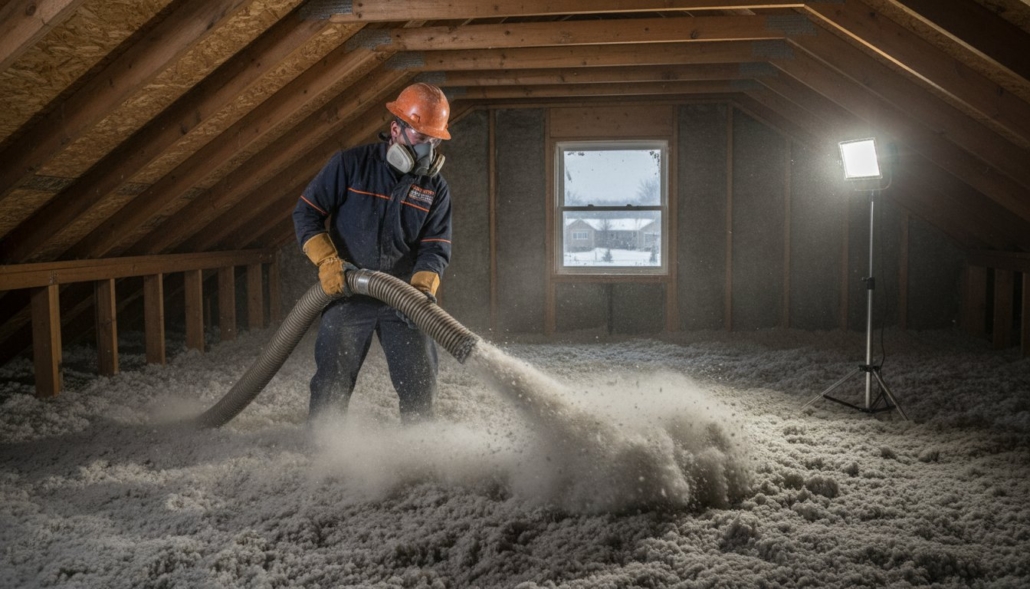
Last January, during a 14-degree Grand Rapids cold snap, one local family watched their thermostat struggle to hit 68 degrees while their heating bill climbed 22 percent higher than the previous month. It’s a frustrating reality for many in West Michigan who find themselves wearing extra layers inside their own living rooms because their existing blown in insulation has settled or thinned over time. You likely agree that paying premium prices for a home that feels drafty and develops dangerous ice dams every winter feels like a losing battle. At Third Coast Spray Foam, we know that your attic is the frontline of this fight.
Discover how upgrading your attic protection solves West Michigan energy loss, protects your roof from costly structural damage, and lowers those monthly utility bills by as much as 15 percent. This guide provides a clear look at how we reinforce your home’s thermal envelope to ensure your family stays comfortable when the lake effect snow hits. We will walk you through the technical R-value requirements for Michigan’s Zone 5 climate and the specific steps our team takes to secure your home’s total health.
Key Takeaways
- Identify why your attic is the primary source of energy loss in West Michigan and how to stop it.
- Compare the R-values and environmental benefits of cellulose versus fiberglass to choose the best material for your home.
- Learn why meeting the minimum Michigan Energy Code for Zone 5 and 6 may still leave your home vulnerable to Lake Effect winters.
- Uncover the “Big Gap” in DIY projects and see how professional blown in insulation ensures critical air sealing and electrical safety.
- Master the concept of “sealing the envelope” to protect your roof from ice dams and achieve permanent utility savings.
What is Blown-In Insulation and Why Does Your Michigan Home Need It?
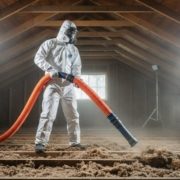
Blown-in insulation is a loose-fill thermal barrier composed of fiberglass or cellulose fibers. Unlike traditional blankets, our team installs this material using a high-pressure pneumatic hose to create a dense, monolithic layer across your attic floor. Choosing the right building insulation materials is the first step toward a more efficient home. In West Michigan, where winter temperatures frequently drop below 20 degrees Fahrenheit, this method is the most effective way to seal the thermal envelope.
Attics represent the primary source of energy loss in Grand Rapids homes. Because heat rises, a poorly insulated attic allows up to 25% of your furnace’s output to escape through the roof. Most older homes in Kent County were built with standard fiberglass batts. These batts naturally degrade over 15 to 20 years, leaving gaps where air can bypass the barrier. Blown in insulation solves this by filling every nook, cranny, and irregular space that pre-cut batts simply cannot reach.
There’s a significant difference between topping off old material and starting fresh. While adding a few inches might provide a temporary fix, Third Coast Spray Foam often recommends a full removal of 20 year old insulation. This allows us to perform critical air sealing on the attic floor. Removing old, dusty material ensures we aren’t trapping moisture or pests under a new layer. A clean start can improve your home’s thermal performance by 15% compared to just layering over existing debris.
The Mechanics of Loose-Fill Insulation
The installation process relies on a specialized blowing machine that churns the material to add volume and “fluff.” This creates millions of tiny air pockets that trap heat. For a Grand Rapids climate, we aim for a specific density to reach an R-60 value, which typically requires a depth of 15 to 18 inches. This density is vital because it prevents the material from settling or shifting over time. We apply blown in insulation to attics, closed wall cavities, and even mid-floors to dampen sound and stop heat transfer between levels.
Signs Your Current Attic Insulation is Failing
If your furnace cycles on and off every 10 minutes during a Michigan cold snap, your insulation is likely failing. This “short-cycling” happens because your living space loses heat as fast as the HVAC system can produce it. You can also perform a quick visual check. If you see your wooden ceiling joists peeking through the insulation, you have less than 10 inches of protection. In the summer, this same lack of coverage causes attic temperatures to soar to 140 degrees, which radiates heat downward and increases your cooling costs by as much as 20%.
Cellulose vs. Fiberglass: Choosing the Best Material for West Michigan
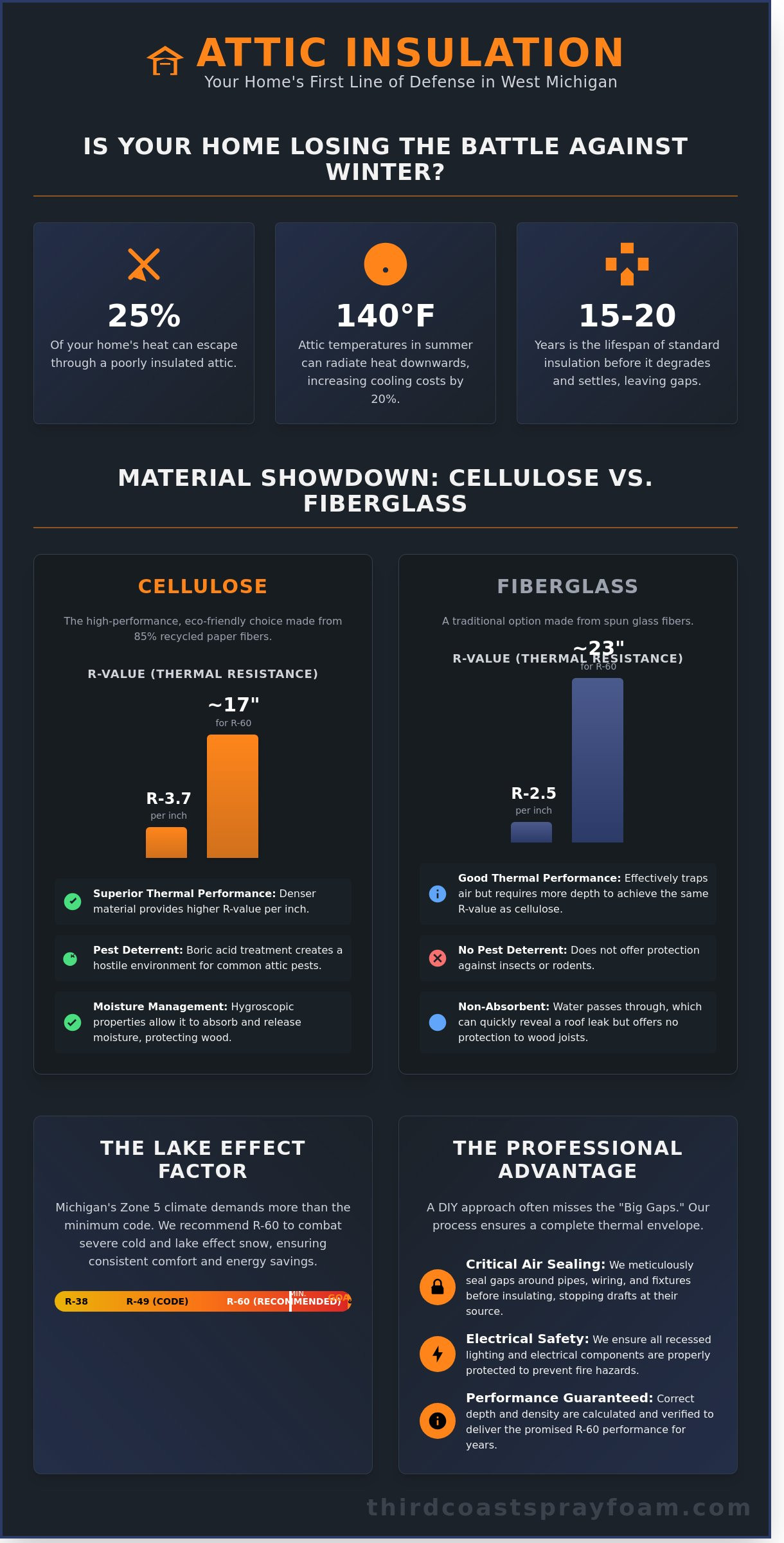
Selecting the right blown in insulation requires understanding how these materials perform during a 10-degree Grand Rapids January. Performance starts with the R-value, which measures thermal resistance. Cellulose provides a higher R-value per inch, typically ranging from 3.5 to 3.8. Loose-fill fiberglass usually sits between 2.2 and 2.7 per inch. To reach the Department of Energy’s recommended R-60 level for Michigan attics, you would need about 17 inches of cellulose compared to roughly 23 inches of fiberglass. You can explore the technical differences between these Types of Insulation to see which fits your specific architectural needs.
Environmental impact is a deciding factor for many local homeowners. Modern cellulose is a recycled powerhouse, often composed of 85% post-consumer paper fibers. We treat these fibers with boric acid, a mineral that serves a dual purpose. It gives the paper a Class A fire rating and creates a hostile environment for pests like silverfish and earwigs. Fiberglass is made from spun glass, which is naturally non-combustible. While it doesn’t provide a food source for insects, it lacks the pest-deterrent additives found in professional-grade cellulose fills.
Moisture management is critical given the 70% average humidity we experience near the lake. Cellulose is hygroscopic, meaning it can absorb and redistribute small amounts of moisture without losing its R-value. This helps protect your wooden rafters from localized dampness. Fiberglass is non-absorbent. If a leak occurs, water passes through the fibers to the ceiling below, which can alert you to a roof issue faster but offers less protection to the structural wood.
The Case for Cellulose Insulation
Cellulose is the “no-nonsense” choice for the drafty, older homes found in neighborhoods like Heritage Hill. Its high density allows it to block airflow more effectively than fiberglass, acting as a secondary air seal. This density is vital for managing the 40-degree temperature swings common on the Third Coast. It prevents convective looping, a process where air moves through the insulation and allows heat to escape. For Grand Rapids residents looking for maximum heat retention in a compact space, cellulose is the standard.
When to Consider Blown-In Fiberglass
Fiberglass is the preferred option for homes with delicate structural considerations. If your house features 1920s-era plaster and lath ceilings, the weight of cellulose might be a concern. Fiberglass is significantly lighter, exerting less pressure on your ceiling’s support system. It is also a “forever” material that doesn’t settle. While cellulose may lose 15% of its depth over 20 years, fiberglass maintains its loft and R-value for decades. If you want a lightweight solution that never needs a top-off, our team can assess your attic joists to see if fiberglass is your safest bet.
The Lake Effect Factor: Why R-Value Matters in Muskegon and Ottawa Counties
West Michigan winters bring a unique set of challenges that standard building codes don’t always fully address. In Muskegon and Ottawa Counties, the 2021 Michigan Energy Code classifies our region as Zone 5, requiring a minimum attic insulation level of R-49. However, our team at Third Coast knows that the heavy Lake Effect snow common in Fruitport and Grand Haven changes the math. A “minimum code” attic often fails to keep up when the lake triggers 48 hours of continuous snowfall. We focus on sealing the envelope to ensure your home remains a sanctuary, regardless of the weather outside.
Understanding R-Value Standards
The U.S. Department of Energy explains R-value as the specific measure of a material’s thermal resistance. The higher the number, the better the insulation prevents heat from escaping your living space. While R-49 is the legal baseline, we recommend aiming for R-60 for maximum performance in West Michigan. To achieve this level of protection with blown in insulation, you generally need a depth of 17 to 20 inches, depending on the material density. This thickness provides the necessary barrier to stop the upward migration of heat that drives up heating costs during January and February.
- R-49: The Michigan state minimum, requiring roughly 14-15 inches of material.
- R-60: Our recommended “Gold Standard” for Lake Effect zones, requiring 18+ inches.
- Thermal Resistance: Higher R-values equate to lower conduction and better heat retention.
Ice Dam Prevention and Roof Protection
When your attic is under-insulated, heat leaks from your ceilings and warms the roof deck. This creates a dangerous cycle where snow melts on the upper parts of the roof and refreezes at the cold eaves. Ice dams are a symptom of poor insulation. By installing blown in insulation to the correct depth, you create a “cold roof” environment. This keeps the roof temperature consistent with the outdoor air, preventing the melt-and-freeze cycle that tears apart gutters and forces water under your shingles.
Protecting your roof is about more than just avoiding leaks. Excessive attic heat causes shingles to bake from the underside, which leads to premature granule loss and curling. Data shows that consistent overheating can reduce the lifespan of a 30 year shingle by as much as 20%. Proper insulation acts as a shield for your biggest home investment.
Investing in a high R-value attic doesn’t just improve comfort; it delivers a clear return on investment. Homeowners in the Grand Rapids area typically see a 15% reduction in their annual heating and cooling costs after upgrading from R-19 to R-60. With Michigan utility rates rising by an average of 4% annually over the last decade, these savings pay for the installation costs within a few seasons while providing immediate peace of mind. Additionally, many homeowners can take advantage of energy efficient home improvement credit opportunities in Grand Rapids to offset the upfront costs of their insulation upgrades.
Professional Installation vs. DIY: Avoiding Common Attic Mistakes
Renting a machine from a big-box store in Grand Rapids might look like a simple weekend project. However, installing blown in insulation without a professional strategy often leads to hidden failures that cost more than the initial savings. Most DIY attempts focus only on the depth of the material while skipping the critical prep work where the real energy efficiency lives. Our team often visits homes where the insulation is brand new, yet the energy bills remain high because the “thermal envelope” wasn’t properly addressed.
The Critical Step: Air Sealing the Envelope
The biggest mistake homeowners make is ignoring air leaks before adding new material. According to Energy Star, air leakage through the ceiling can account for up to 40% of a home’s total heating and cooling loss. These leaks occur at “bypass points” like plumbing stacks, electrical wires, and the top plates of your interior walls. Even a 1/4 inch gap around a light fixture can let massive amounts of conditioned air escape into your attic.
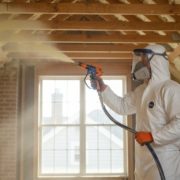
Insulation without air sealing is like wearing a thick wool sweater during a Lake Michigan gale without a windbreaker. The air blows right through the fibers. We use professional-grade spray foam to seal these gaps before the blown in insulation is applied. This ensures the material actually does its job rather than just filtering the air as it escapes your living space. For comprehensive air sealing solutions, many homeowners also consider closed cell spray foam in Grand Rapids for areas requiring maximum air barrier protection.
Maintaining Attic Ventilation
Attics must breathe to stay healthy. A common DIY error is blowing material all the way to the edges of the roof, which clogs the soffit vents. This mistake stops the natural airflow required to move moisture out of the space. In a West Michigan winter, poor ventilation leads to ice dams. In the summer, it causes attic temperatures to spike above 150 degrees, which bakes your roof shingles and shortens their lifespan by years.
- Baffles: These plastic or foam channels must be installed between rafters to keep the air path clear from the soffit to the ridge.
- Safety Hazards: Burying older recessed light cans or junction boxes is a fire risk. Lights installed before the late 1990s often require a 3 inch clearance unless they are “IC-rated” for direct contact.
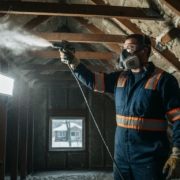
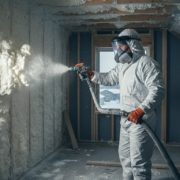
- Health Risks: Disturbing old dust can kick up mold spores or dried rodent droppings. Our specialists use HEPA-filtered respirators and protective gear to handle these contaminants safely.
Precision matters when you want long-term results. If you want to ensure your home is sealed and protected for the next several decades, schedule your professional attic inspection with Third Coast Spray Foam today.
Sealing the Envelope with Third Coast Spray Foam
Choosing a contractor in West Michigan shouldn’t feel like a gamble. At Third Coast Spray Foam, we treat your attic as the primary engine for total home health. Our approach goes beyond just dumping material between your joists. We understand that a home in Grand Rapids faces unique pressure from lake-effect humidity and sub-zero winter temperatures. If your attic isn’t performing, your furnace is working 20% harder than necessary to maintain a steady temperature.
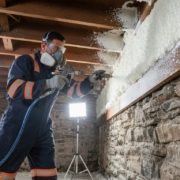
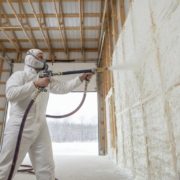
Our process is meticulous and begins with a clean slate. We often find that 15 to 20 year old material has lost its loft and is contaminated with dust or pests. We provide professional removal services to clear out the old, degraded material before we begin our precision installation. Once the space is clear, we focus on the most critical step that many “blow-and-go” companies skip: air sealing. We use professional-grade sealants to close gaps around plumbing stacks, electrical wires, and top plates. This stops the “stack effect” where warm air escapes your living space, ensuring your new blown in insulation actually does its job.
The Third Coast Difference
We take pride in being a Fruitport-based specialist that understands the local architecture, from historic heritage homes to modern builds. Our team maintains a commitment to clean, efficient job sites. We treat your home with the same respect we’d show our own, using protective floor coverings and performing a 100% debris cleanup before we leave. Because we are experts in both spray foam and blown in insulation, we can offer hybrid solutions. This might include flash-and-batten techniques or using closed-cell foam to reinforce structural weak points before finishing with a high-performance blow-in top layer. Supporting our local economy means you get a neighborly level of accountability combined with technical mastery.
Next Steps for a More Comfortable Home
Your journey to a more efficient home starts with a comprehensive attic inspection. During this visit, we don’t just look at your current R-value. We examine your roof deck for signs of moisture, check your soffit vents for proper airflow, and use thermal imaging to find hidden heat loss zones. We calculate the specific needs of your Michigan house based on current building codes, which often recommend R-49 to R-60 for our region. You’ll receive a clear, no-nonsense estimate that breaks down the costs and the projected energy improvements without any high-pressure sales tactics. We provide the data you need to make an informed investment in your property’s long-term comfort. Many homeowners are also surprised to learn about available energy efficient home improvement credit programs that can help offset the cost of their insulation upgrades.
Ready to stop overpaying for heat and start enjoying a more consistent indoor climate? Schedule your free insulation estimate today and let our team secure your home’s thermal envelope for the seasons ahead.
Secure Your Home Against the West Michigan Winter
Investing in your attic is the most effective way to lower the 15% average energy losses reported by the EPA for under-insulated homes. Your Grand Rapids property needs a robust thermal envelope to withstand the heavy lake effect snow and sub-zero temperatures common in Muskegon and Ottawa counties. By achieving an R-value between R-49 and R-60 as recommended by the Department of Energy, you ensure your furnace doesn’t work overtime. Our team at Third Coast Spray Foam specializes in high-performance blown in insulation that fills every gap and crevice. We’re locally owned and operated in Fruitport, MI, so we understand the unique pressure Michigan winters put on your roofline. Unlike basic DIY projects, our professional installs include comprehensive air sealing to stop drafts before they start. We treat your house as a complete system to provide lasting comfort and financial security. For a complete assessment of your property’s thermal performance, consider following the ultimate home insulation checklist for Grand Rapids homeowners to ensure every area of your house is properly protected. It’s time to stop overpaying for heat and start protecting your investment with a solution built for the Third Coast.
Get Your Free Attic Insulation Estimate from Third Coast
We look forward to helping you create a warmer, more efficient home for your family today.
Frequently Asked Questions
Is blown-in insulation better than fiberglass batts for an attic?
Blown-in insulation is superior to fiberglass batts because it creates a seamless thermal blanket that fills every small gap and joist cavity. While batts often leave 5 to 10 percent of the attic floor exposed at the edges, blown-in material provides 100 percent coverage. This ensures your home maintains a consistent R-value across the entire surface. Our team finds that this method significantly reduces air leakage compared to standard pre-cut fiberglass rolls.
How much does blown-in insulation cost in Grand Rapids, Michigan?
In Grand Rapids, homeowners typically pay between $1,500 and $3,500 for a professional blown-in insulation project. This price accounts for an average 1,200 square foot attic being brought up to the Michigan energy code of R-60. Your final investment depends on the current depth of your material and the total square footage of the space. Investing in this upgrade can lower your monthly heating and cooling bills by 15 to 20 percent immediately.
Can I blow new insulation over my old attic insulation?
You can blow new material over existing insulation as long as the old layers are dry and free of mold or pests. Adding fresh cellulose or fiberglass increases your total R-value without the cost of a full removal. However, our team always inspects for compressed material or 1970s era vermiculite before starting. If your current layers are flattened, they won’t provide the structural support needed for the new top-off.
How long does it take to install blown-in insulation in a standard home?
A professional installation for a standard 1,500 square foot home usually takes 2 to 4 hours to complete. This timeframe includes the setup of the blowing machine, running the hose through a window or door, and the actual application. We work efficiently to ensure your daily routine remains uninterrupted. Once the team finishes, your attic will meet modern efficiency standards, providing instant peace of mind and improved comfort.
Will blown-in insulation make a mess in my living space?
Our process is designed to be clean and non-invasive, with 98 percent of the dust and material contained within the attic and the delivery hose. We use drop cloths in the entry area and a high-powered vacuum to ensure no debris stays behind in your hallway. The blowing machine stays outside in our truck, so only the hose enters your home. You won’t have to worry about a major cleanup after our team leaves.
Does blown-in insulation settle over time and lose its R-value?
Blown-in insulation, particularly cellulose, will settle by roughly 10 to 20 percent over the first 5 years after installation. We account for this natural compression by over-blowing the depth during the initial application. If the Michigan code requires 20 inches for an R-60 rating, we install 22 or 23 inches. This strategy ensures your thermal envelope remains effective for decades, protecting your financial well-being and home health.
Is cellulose insulation a fire hazard in an attic?
Modern cellulose is not a fire hazard because it’s treated with boric acid, which provides a Class 1 fire rating. This treatment allows the material to withstand temperatures over 1,200 degrees Fahrenheit without igniting. In many cases, densely packed cellulose can actually slow the spread of a fire by blocking oxygen flow through wall and ceiling cavities. It’s a safe, pragmatic choice for Grand Rapids families looking for security.
How do I know if I need to remove my old insulation first?
You must remove old insulation if you find evidence of roof leaks, rodent droppings, or a persistent musty odor. If your insulation was installed before 1990 and has been compressed to less than 3 inches, removal is often the best path to sealing the envelope properly. Removing contaminated material prevents mold growth and ensures the new blown-in insulation performs at its peak efficiency. Our specialists provide a 10-point inspection to determine if removal is necessary.
Disclaimer
Information provided is for general educational purposes. Individual needs and circumstances vary. Speak to an experienced professional before relying on the information given here.


Leave a Reply
Want to join the discussion?Feel free to contribute!